
Best Stargazing Spots in Pennsylvania: A Local’s Guide
Some of our favorite nights at Hemlock Haven Retreats have not happened at sunrise or at the campfire. They have happened long after dark, when the sky above the forest turns into something you can hardly believe is real. Pennsylvania has some of the darkest, most beautiful night skies on the East Coast, and we get to live under them every single night.
We are Michael and Amanda, local hosts here in the woods near Cook Forest. After eight years of welcoming guests, we have learned that many people have never seen a truly dark sky. When they finally do, it changes the way they think about a vacation.
This is our guide to the best stargazing spots in Pennsylvania, from the world-famous Cherry Springs State Park to quiet forests just minutes from our treehouses. We will share what to see, when to go, what to pack, and how to plan your night for the best views.
Why Pennsylvania Is Perfect for Stargazing
Pennsylvania might surprise you. The northern and central parts of the state hold huge stretches of protected forest with very little light pollution. On a clear, moonless night, you can see the Milky Way stretch across the sky, watch meteors streak by, and even spot planets with the naked eye.
The heart of it all is a region called the Pennsylvania Wilds. It covers more than two million acres of public land. Small towns, quiet roads, and dense forest keep the skies dark. That is why so many of the best stargazing spots in Pennsylvania sit inside this region.
Cook Forest, where our treehouses are tucked away, sits right on the edge of the Wilds. That means guests staying with us can pop out the front door and look up without driving hours to find darkness. It is one of our favorite things about hosting here.
Local tip: On the darkest nights, we tell guests to walk to the middle of an open field or clearing and simply lie down for ten minutes. Your eyes need that time to adjust. Once they do, the stars come alive.
The Top Stargazing Spots in Pennsylvania
We picked these spots because they combine dark skies, easy access, and something extra that makes the trip worth it. Some are world-famous. Others are quiet local favorites we send guests to when they want to skip the crowd.
Cherry Springs State Park
If you only visit one dark sky spot in Pennsylvania, make it Cherry Springs State Park. It sits in Potter County, about two hours north of our treehouses, and it is one of the darkest places on the entire East Coast.
Cherry Springs is an International Dark Sky Park with a Gold Tier rating. That means the sky here is protected, measured, and truly world-class. On a clear moonless night, you can see close to 10,000 stars with the naked eye. The Milky Way here is so bright it can cast your shadow on the ground.
Guests who have visited tell us the drive is worth it. Many describe lying in the observation field and losing track of time watching the sky. The Astronomy Observation Field has a 360-degree view with no trees or buildings in the way. There is also a separate Night Sky Public Viewing Area for casual visitors.
- Rating: 4.8 stars (over 2,300 reviews)
- Address: 4639 Cherry Springs Rd, Coudersport, PA 16915
- Phone: +1 814-435-1037
- Best for: Serious stargazing, Milky Way viewing, star parties
- Tip: Bring a red flashlight, warm layers, and a chair or blanket
View Cherry Springs State Park on Google Maps
Cook Forest State Park
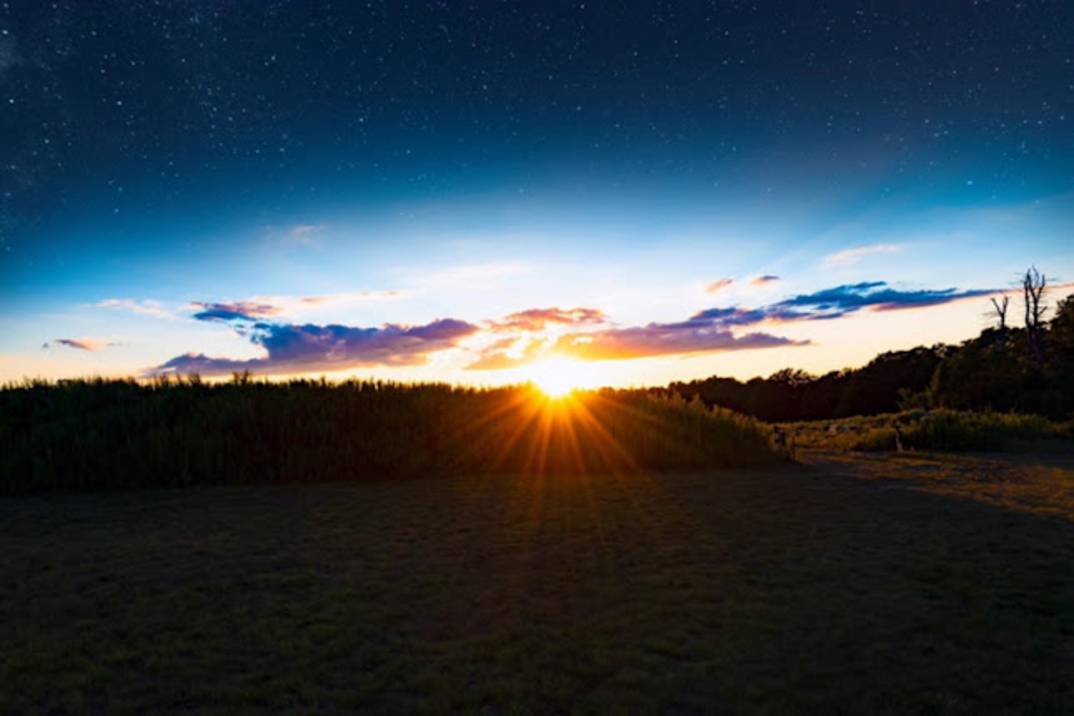
Cook Forest is home to us. It is right in our backyard, and it holds one of the last stands of old-growth forest in Pennsylvania. Some of the hemlocks and white pines here are more than 300 years old.
For stargazing, Cook Forest has surprisingly dark skies for a park so close to visitor amenities. The open river bends along the Clarion River and the fields near the Log Cabin Inn area give you clear views up. On summer nights, we love walking down to the river with guests and just looking up.
If you are staying with us, this is the easiest and quietest option. You can enjoy the forest during the day, have dinner, then step outside after 10 PM and see stars everywhere.
- Rating: 4.9 stars (over 690 reviews)
- Location: Leeper, PA 16233
- Best for: Family stargazing, easy access, combining with daytime hiking
- Tip: The Clarion River overlook and open fields near Route 36 offer some of the best sky views
View Cook Forest State Park on Google Maps
Allegheny National Forest
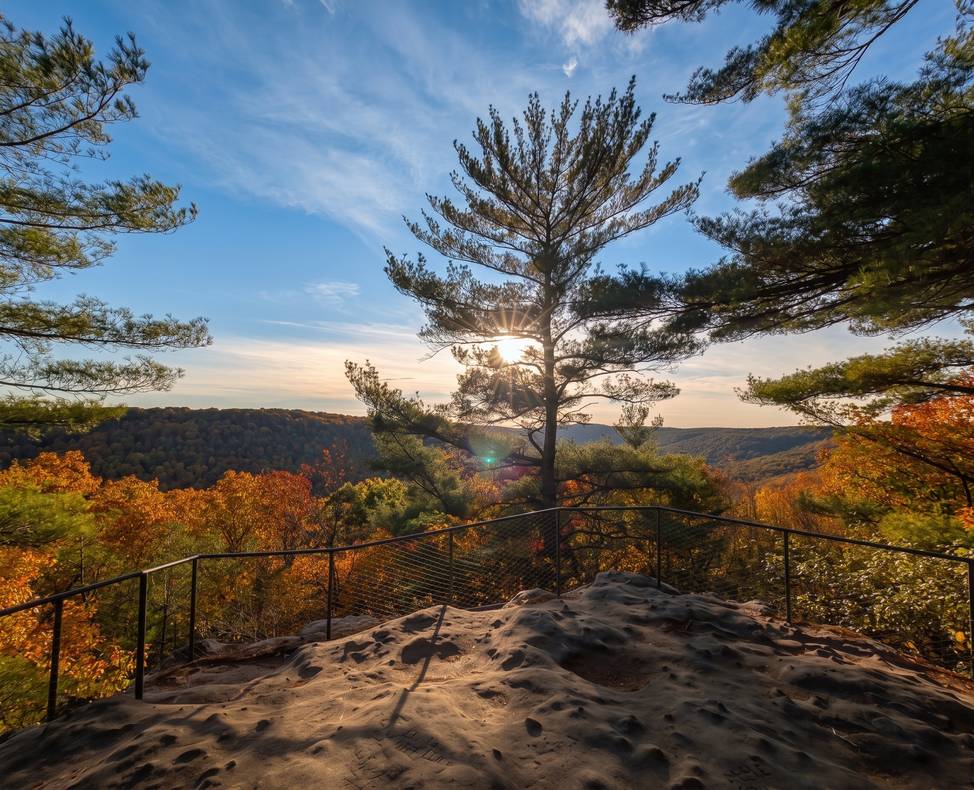
The Allegheny National Forest covers more than half a million acres of northwestern Pennsylvania. It is one of the largest patches of dark sky in the state, and it starts just north of Cook Forest.
You do not need to go to a specific spot inside the forest. Almost any pull-off, campground, or clearing along the back roads will show you stars. On new-moon nights, we often see people parked along quiet forest roads simply looking up.
The forest is home to elk, deer, and countless wildlife. Some visitors bring binoculars and switch between the sky and the woods. It is a special place to slow down.
- Rating: 4.8 stars (over 4,300 reviews)
- Location: Marienville, PA 16239
- Best for: Long drives with pull-offs, mixed wildlife and stargazing trips
- Tip: The Longhouse Scenic Byway and Bradford Ranger District have wide views
View Allegheny National Forest on Google Maps
Sinnemahoning State Park
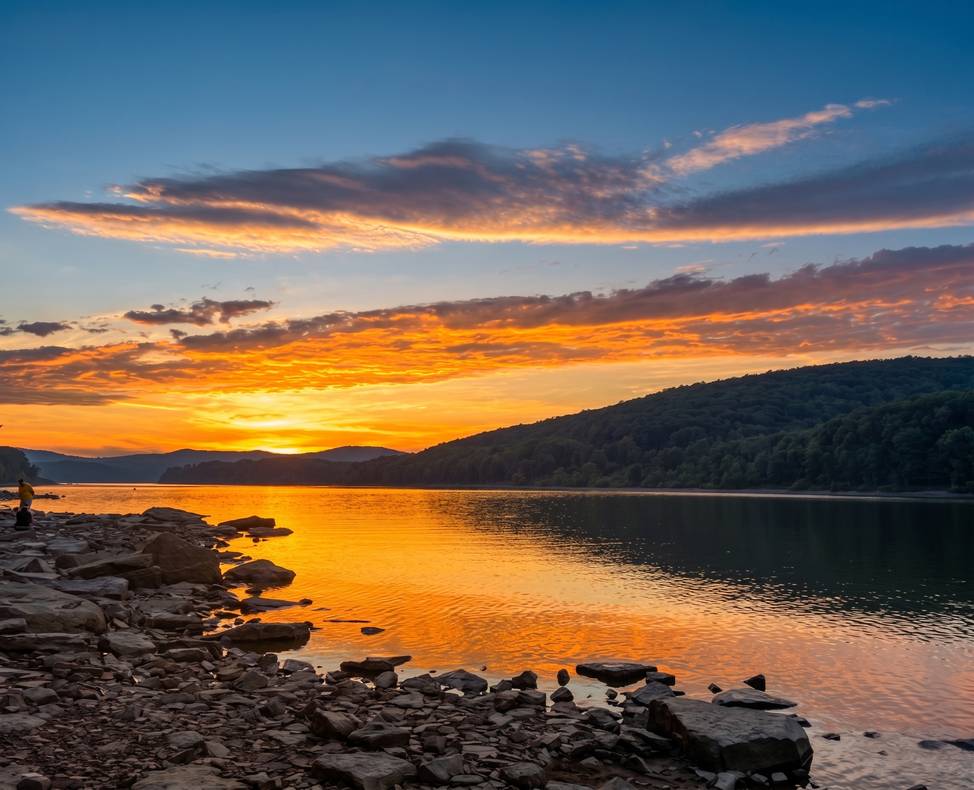
Sinnemahoning State Park is one of the wilder corners of the Wilds. It sits north of us in Cameron County, about 90 minutes from Cook Forest, and it feels a world away from everywhere.
The park is small at just under 2,000 acres, but it is surrounded by huge stretches of state forest with almost no development for miles. That makes the skies here very dark. Elk sightings are common at dusk, which adds a special kind of magic to a night here.
The George B. Stevenson Reservoir gives you an open view over water, so you can watch the sky reflect. It is one of our favorite quiet spots.
- Rating: 4.8 stars (over 270 reviews)
- Address: 4843 Park Dr, Austin, PA 16720
- Best for: Wildlife plus stargazing, peaceful settings
- Tip: The wildlife viewing area doubles as a great open-sky spot after sunset
View Sinnemahoning State Park on Google Maps
Sproul State Forest
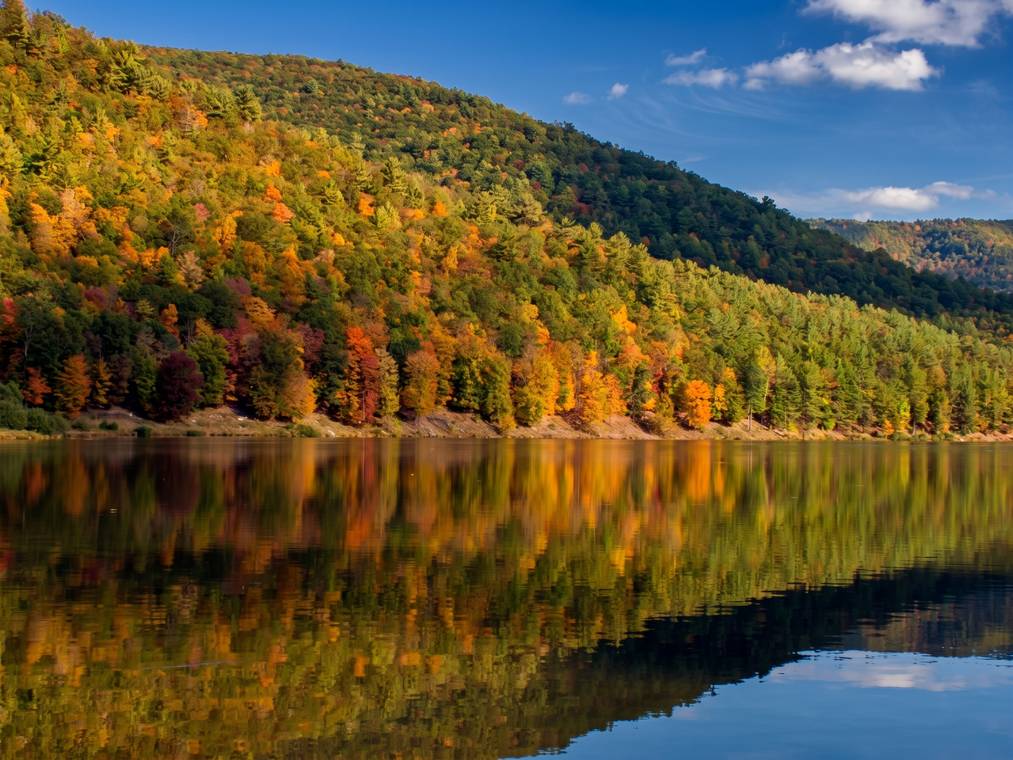
Sproul State Forest is a giant. At more than 305,000 acres, it is one of the largest patches of continuous forest in Pennsylvania. It also has some of the darkest skies outside Cherry Springs.
There is not much here besides trees, roads, and quiet. That is exactly the point. If you drive in on a clear night, park at a pull-off, and turn off your car, you will hear nothing but the wind and see thousands of stars.
We recommend Sproul for guests who want a real backwoods stargazing experience. It is not polished. It is raw and beautiful.
- Rating: 4.7 stars (over 650 reviews)
- Location: 15187 Renovo Rd, Renovo, PA 17764
- Best for: True dark sky solitude, minimal light interference
- Tip: Study a map before you go, cell service is very limited
View Sproul State Forest on Google Maps
More Dark Sky Spots Worth Knowing About
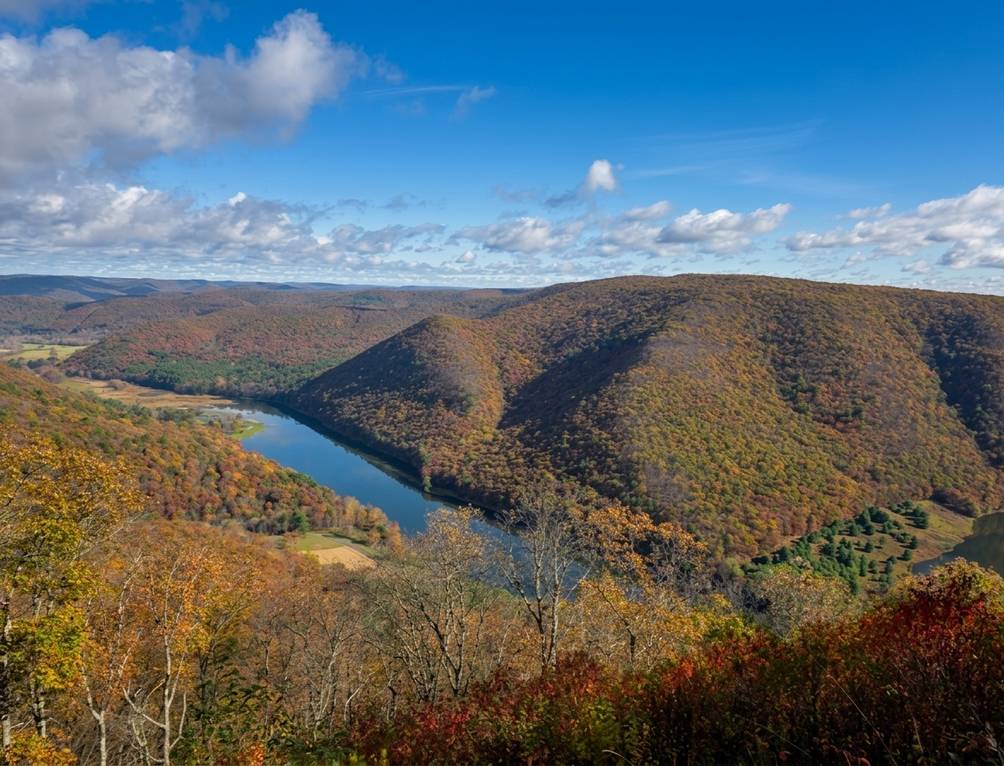
If you are exploring different corners of Pennsylvania, these state parks and wild areas are also great choices for a night under the stars.
Quehanna Wild Area
The Quehanna Wild Area is one of Pennsylvania’s largest designated Wild Areas. It sits between Clearfield and Cameron counties. There are almost no lights, no towns, and few paved roads. That means the sky here is deep, dark, and vast.
Guests who want a real off-grid feel love this spot. You may share the woods with elk, bears, and coyotes. It is not for everyone, but for the right visitor, it is unforgettable.
- Rating: 4.7 stars
- Location: Benezette Township, PA 15868
- Best for: Wilderness stargazing, elk viewing
- Tip: Elk are most active at dusk, then the stars take over
View Quehanna Wild Area on Google Maps
Black Moshannon State Park
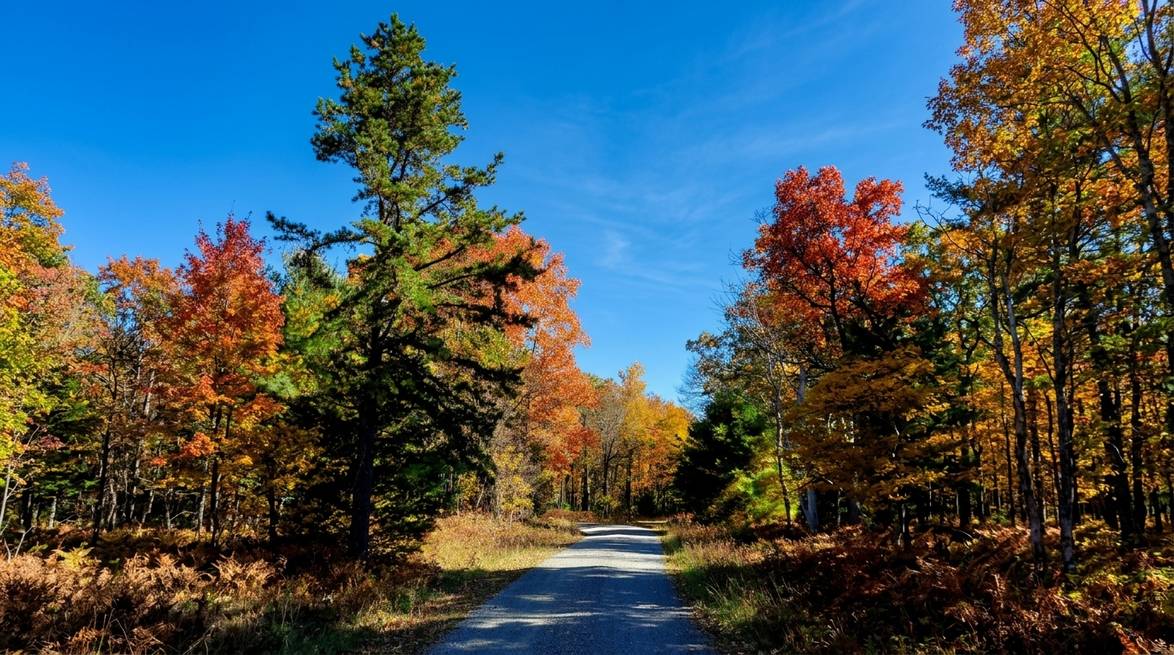
Black Moshannon State Park sits in Centre County on top of the Allegheny Plateau. It has a lake, forest, and skies that are darker than most of central PA. The elevation helps. You are up above much of the haze.
The park hosts occasional astronomy programs and star walks. Camping here means you can fall asleep looking up.
- Rating: 4.7 stars (over 1,400 reviews)
- Address: 4216 Beaver Rd, Philipsburg, PA 16866
- Best for: Camping under stars, central PA base
- Tip: Check the DCNR calendar for scheduled night sky programs
View Black Moshannon State Park on Google Maps
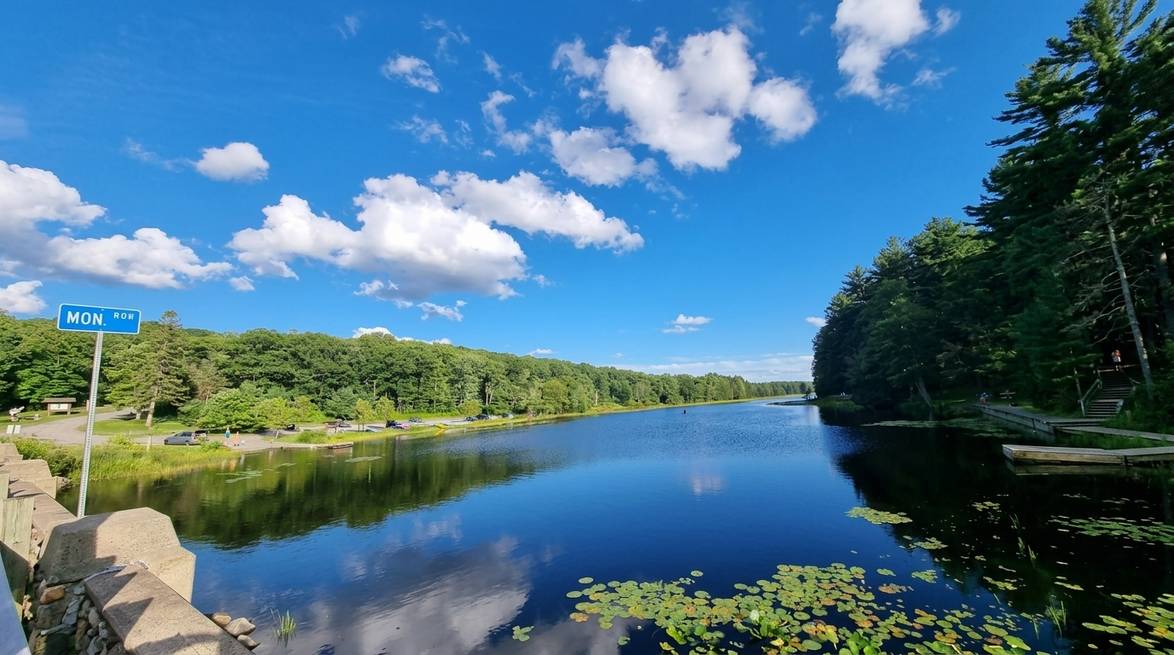
Chapman State Park
Chapman State Park is a small park inside the Allegheny National Forest. That location alone gives it dark skies. It has a lake, campsites, and open shorelines that make sky viewing easy.
It is a good stop for guests exploring the northwest PA loop. You can hike or paddle by day, then stargaze at night without moving your car.
- Rating: 4.7 stars (over 680 reviews)
- Address: 4790 Chapman Dam Rd, Clarendon, PA 16313
- Best for: Family camping trips, lake plus sky views
- Tip: The open lakeshore gives the best sky views inside the park
View Chapman State Park on Google Maps
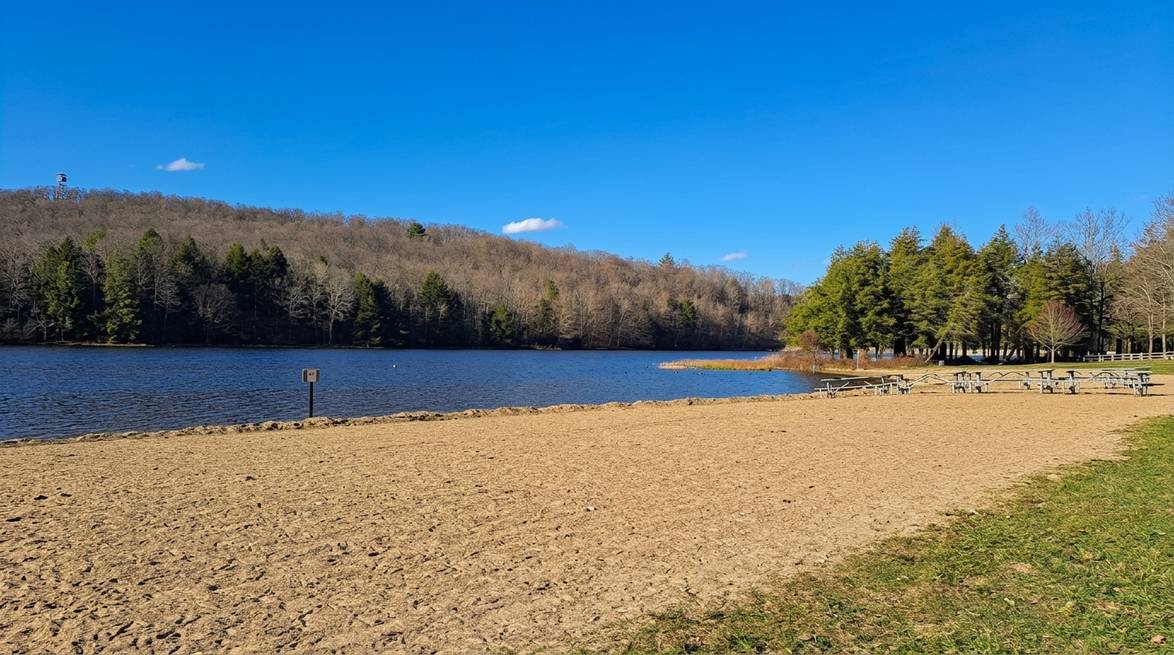
Laurel Hill State Park
Laurel Hill State Park is a favorite for guests coming from the Pittsburgh area. It sits in the Laurel Highlands, about two and a half hours south of Cook Forest, and it has a 1,200-foot sandy beach on a scenic lake.
The skies here are not as dark as the far north, but they are much darker than any city. The open lakefront makes it a great intro to stargazing, especially for families new to it.
- Rating: 4.8 stars (over 1,900 reviews)
- Address: 1454 Laurel Hill Park Rd, Somerset, PA 15501
- Best for: Southern PA base, beach plus stars
- Tip: The beach parking area gives an open view over the lake
View Laurel Hill State Park on Google Maps
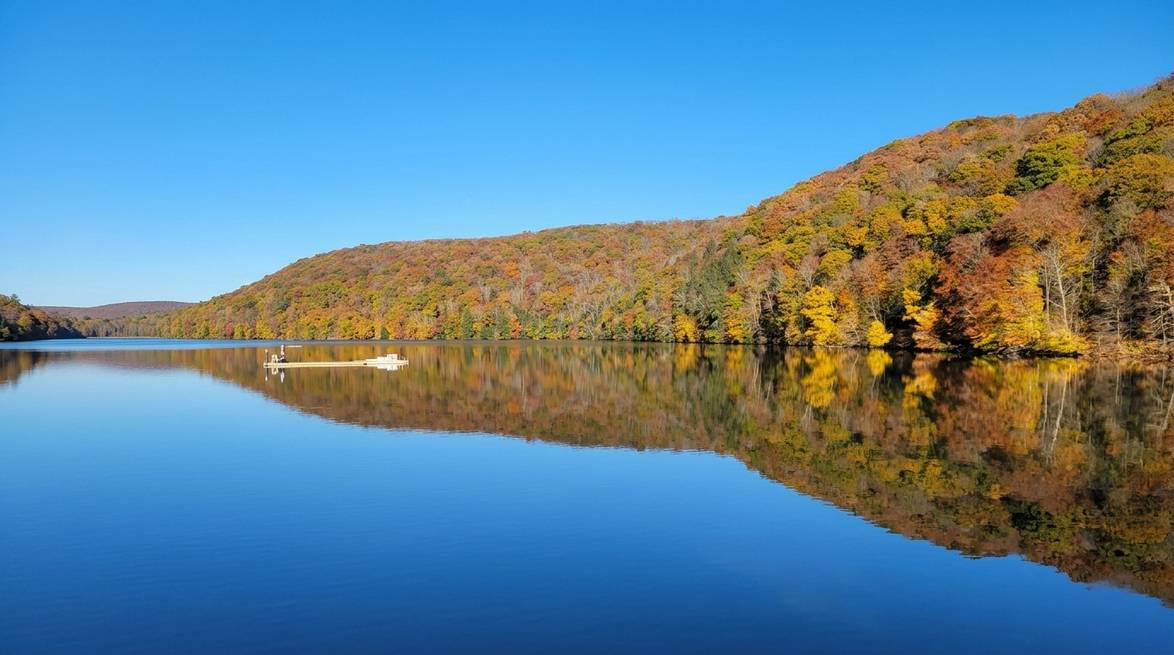
French Creek State Park
French Creek State Park is the go-to for anyone stargazing in southeastern PA. It sits between Philadelphia and Reading and holds the largest block of forest between New York City and Washington, D.C.
You will not get Cherry Springs darkness here, but for a park inside a busy metro region, it is very good. Two lakes, hills, and forest give you options for open sky viewing.
- Rating: 4.7 stars (over 3,000 reviews)
- Address: 843 Park Rd, Elverson, PA 19520
- Best for: Southeastern PA visitors, casual sky viewing
- Tip: Head to Hopewell Lake for the widest sky view inside the park
View French Creek State Park on Google Maps
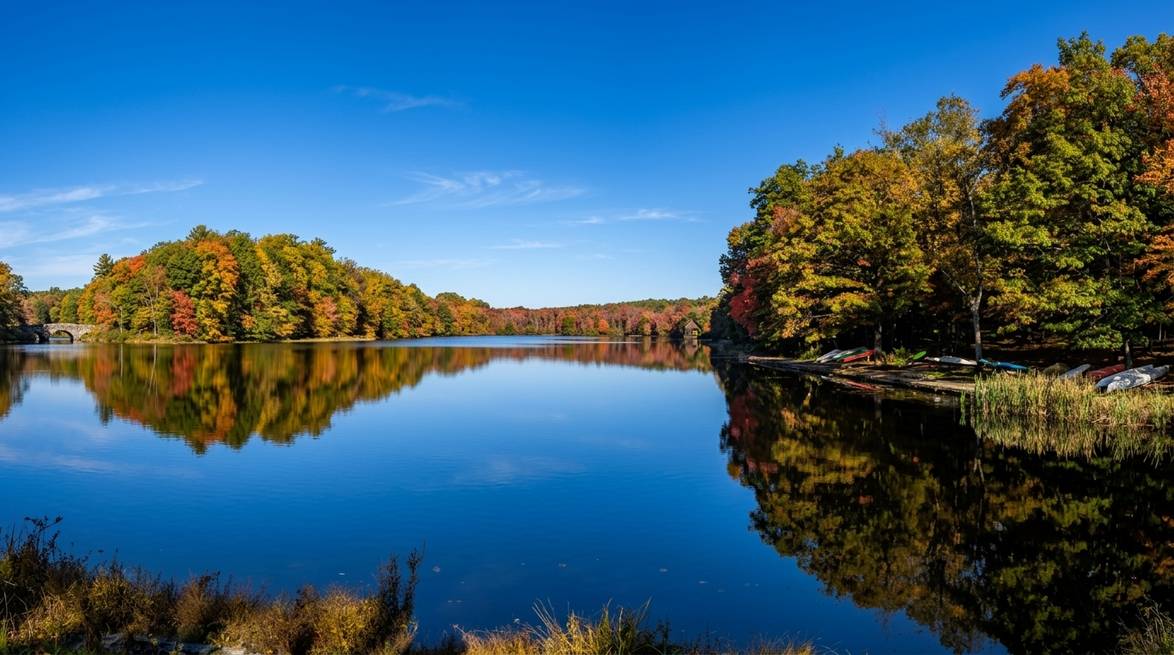
Mingo Creek Park Observatory
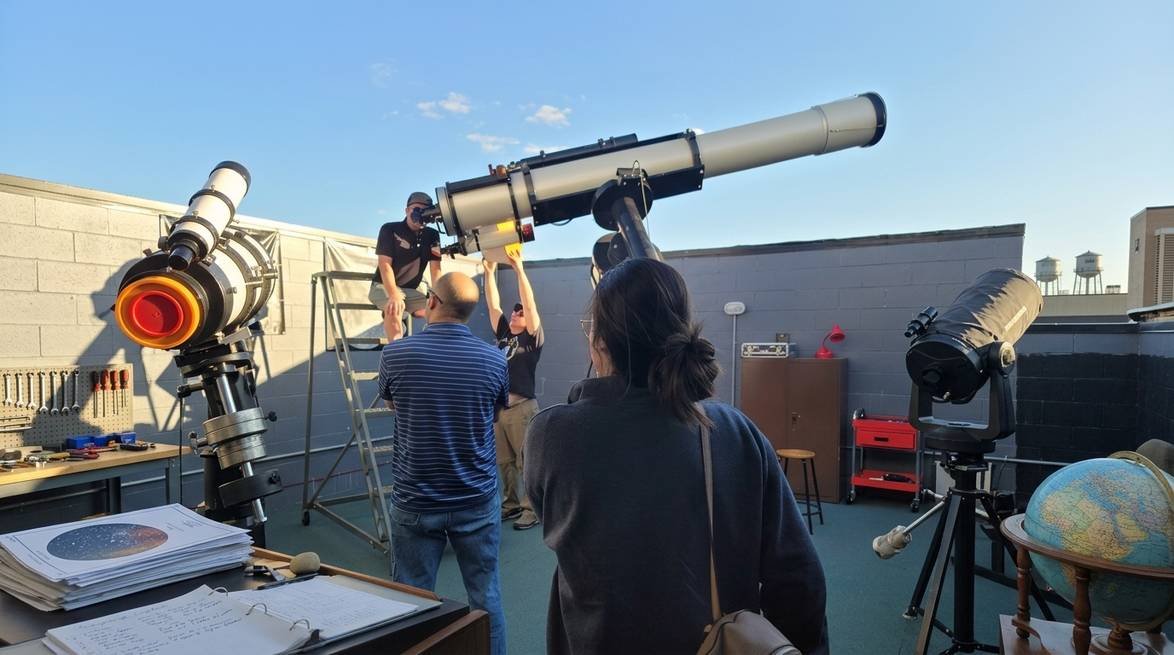
Mingo Creek Park Observatory is a bit different. This one is a working observatory operated by the Amateur Astronomers Association of Pittsburgh. It sits in Washington County, southwest of Pittsburgh.
They host public star parties throughout the year with real telescopes and knowledgeable guides. If you have never looked through a large telescope, this is a wonderful way to start.
- Rating: 4.8 stars (over 100 reviews)
- Address: 1 Shelter 10 Road, Finleyville, PA 15332
- Best for: Guided viewing with telescopes, beginners
- Tip: Check the AAAP calendar before you go, events are seasonal
View Mingo Creek Park Observatory on Google Maps
The Best Times to Stargaze in Pennsylvania
Timing matters more than most people realize. A dark sky is only truly dark when the moon is new or below the horizon, and Pennsylvania weather can be picky. Here is what we tell guests.
Best months overall
- April and May: Long, still-cool nights and less humidity
- September and October: Crisp air, clear skies, and fall colors during the day
- December through February: The clearest, sharpest skies, but expect cold
Summer nights bring the core of the Milky Way high in the sky. That view is stunning if you can time it around the new moon. Winter offers the sharpest, driest skies but you need to dress for the cold.
Do this before you go:
- Check the moon phase, aim for the week around new moon
- Look at the cloud forecast the day before and the morning of
- Give yourself a backup night in case of clouds
- Arrive before dark so you can settle in without lights
💡 Local tip: Astronomical darkness in northern PA can start around 10:30 PM in June and as early as 6:30 PM in December. Plan your dinner around it.
What to See in the Pennsylvania Night Sky in 2026
There is a lot happening above Pennsylvania in 2026, and some of it is easy to see even without a telescope.
Meteor showers to catch:
- Quadrantids (January 3 to 4): Short but strong
- Lyrids (April 21 to 22): Great with no moon
- Perseids (August 12 to 13): One of the best of the year, near new moon in 2026
- Orionids (October 21 to 22): Debris from Halley’s Comet
- Geminids (December 13 to 14): Usually the strongest shower of the year, near new moon
Eclipses and special events:
- March 3, 2026: A total lunar eclipse (a Blood Moon) visible before dawn
- August 12, 2026: A partial solar eclipse with about 10 percent coverage in PA
- August 27 to 28, 2026: A deep partial lunar eclipse, nearly total
Planet highlights:
- Jupiter at opposition on January 10 (bright, visible all night)
- Saturn at opposition on October 4 (great for viewing the rings)
- Planetary parade on February 28 with several planets in the sky after sunset
Always use certified solar viewing glasses if you plan to look at any solar event. Never look at the sun directly.
What to Bring for a Night of Stargazing
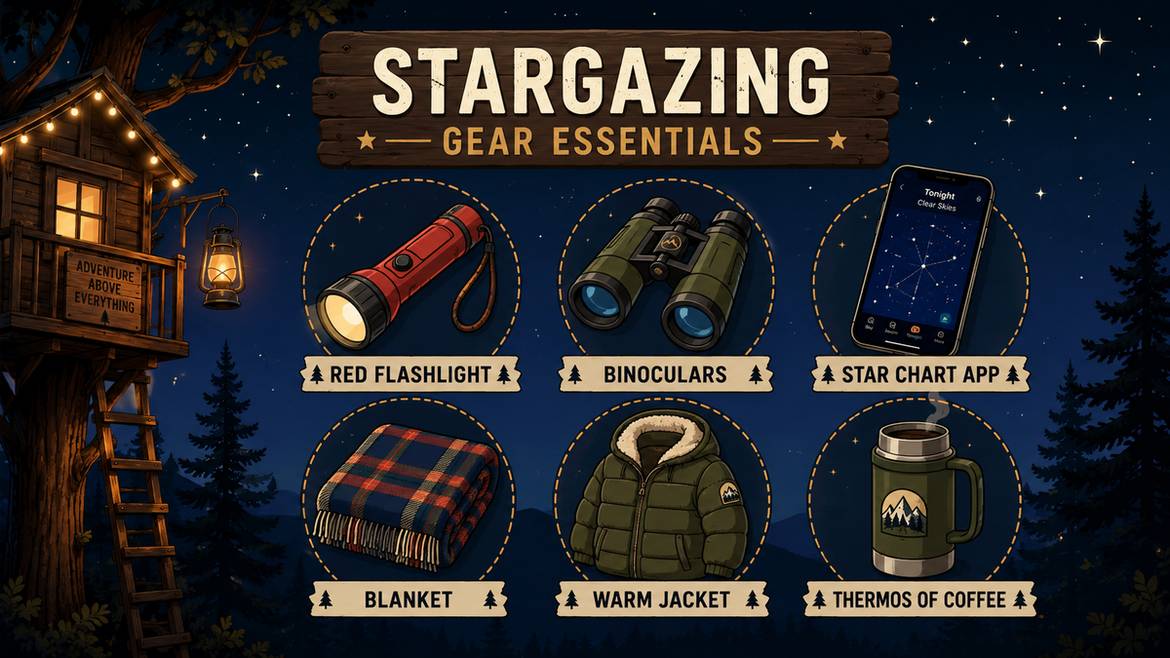
You do not need expensive gear to enjoy a dark sky. You just need to be prepared. Here is what we pack when we head out with guests.
- Red flashlight or headlamp: White light kills your night vision for over 20 minutes
- Warm layers: Even summer nights in the Wilds can drop into the 50s or lower
- Blanket or reclining chair: Looking straight up strains your neck fast
- Star chart or app: SkyView, Stellarium, and Sky Guide are all great
- Binoculars: Better first pick than a telescope for beginners
- Water and snacks: You will be out longer than you think
- Bug spray: In summer months, especially near lakes
If you are new, skip the telescope for now. Binoculars show you moon craters, star clusters, and the moons of Jupiter with almost no learning curve.
Plan Your Pennsylvania Stargazing Trip With Us
The night sky over Pennsylvania is one of the state’s best-kept secrets. From world-famous Cherry Springs to the quiet forests around Cook Forest, there is a dark sky for every kind of visitor.
At Hemlock Haven Retreats, we love sharing this side of the woods with our guests. Whether it is a quiet night on the deck or a road trip to Cherry Springs, we can help you plan a stay that puts the stars at the center.
Ready to look up? Browse our treehouses and cabins and pick your dark-sky retreat. We would love to welcome you to the forest.
Frequently Asked Questions
Where is the darkest place in Pennsylvania to see stars?
Cherry Springs State Park in Potter County is the darkest place in Pennsylvania. It is an International Dark Sky Park with a Gold Tier rating, which puts it among the darkest sites in the world.
Where in PA can I see the Milky Way?
The Milky Way is easy to see with the naked eye at Cherry Springs State Park, Sproul State Forest, Quehanna Wild Area, and much of the Allegheny National Forest. Any dark spot in the PA Wilds region on a moonless summer night should show it clearly.
Where in PA can I see the Northern Lights?
The Northern Lights appear over Pennsylvania only during strong solar storms. When they do, dark sky spots like Cherry Springs, Sinnemahoning State Park, and the Allegheny National Forest give the best chance of seeing them low on the northern horizon.
Do I need a telescope to enjoy stargazing in Pennsylvania?
No. A telescope is not needed, especially for beginners. The naked eye and simple binoculars are enough to see stars, the Milky Way, planets, and meteor showers at any of the dark sky spots on this list.
When is the best time to see stars in Pennsylvania?
The best time is on a clear night around the new moon, ideally between April and October when nights are still comfortable. Winter offers sharper skies but colder temperatures.
Is Cherry Springs open at night?
Yes. The Night Sky Public Viewing Area at Cherry Springs is open 24 hours a day, and the Astronomy Observation Field is reserved for stargazers with equipment and requires registration and a permit.